[There’s a particular kind of travel dilemma we all know too well—finding a flight that doesn’t drain your wallet but also doesn’t feel like a compromise the moment you board. That’s exactly where Transavia steps in. Positioned as a low-cost airline with a surprisingly thoughtful approach, Transavia has built a reputation for making European travel accessible without completely stripping away comfort. The question is whether Transavia simply delivers cheap flights, or something a little more balanced.
Transavia flights booking experience – what actually makes it easy
Booking flights with Transavia is designed to be fast, clear, and refreshingly uncomplicated, especially for travelers who just want to get from A to B without navigating endless upsells. The Transavia platform keeps things streamlined, with transparent pricing and a straightforward selection process that doesn’t overwhelm first-time users. While add-ons like luggage or seat selection are available, Transavia doesn’t bury you in them at every step, which is often the case with budget airlines. This makes the overall booking experience feel less transactional and more user-friendly, especially for those who value speed and clarity over customization.
Transavia destinations in Europe – where you can actually go

Transavia focuses heavily on European routes, with a mix of major cities and popular leisure destinations, making it ideal for both quick getaways and longer holidays. From sunny Mediterranean spots to cultural hubs across France, the Netherlands, Spain, and beyond, Transavia offers a network that feels practical rather than overwhelming. The airline doesn’t try to cover everything globally, and that’s part of its appeal. By staying focused, Transavia ensures consistent availability on routes that travelers actually use, rather than stretching itself too thin across less relevant destinations.
Transavia baggage policy and extras – what you should expect
Like most low-cost carriers, Transavia keeps base fares minimal and charges extra for additional services, including checked baggage and seat selection. This structure works well for light travelers who don’t need much beyond a seat and a small carry-on. However, once you start adding extras, the total cost can rise quickly. Transavia is fairly transparent about these charges, which helps avoid unpleasant surprises at checkout. The trade-off here is clear: flexibility comes at a price, but at least Transavia makes those costs visible from the start.
Transavia onboard experience – what the flight actually feels like
The onboard experience with Transavia is simple but functional, which aligns with its low-cost positioning. Seats are comfortable enough for short to medium-haul flights, and the cabin atmosphere is generally relaxed. There’s no expectation of luxury, but Transavia manages to maintain a level of cleanliness and organization that keeps the experience pleasant. Food and drinks are available for purchase, adding a layer of convenience without being included in the base fare. For many travelers, this no-frills approach works perfectly, especially when the flight duration is relatively short.
Transavia vs traditional airlines – where the difference really shows
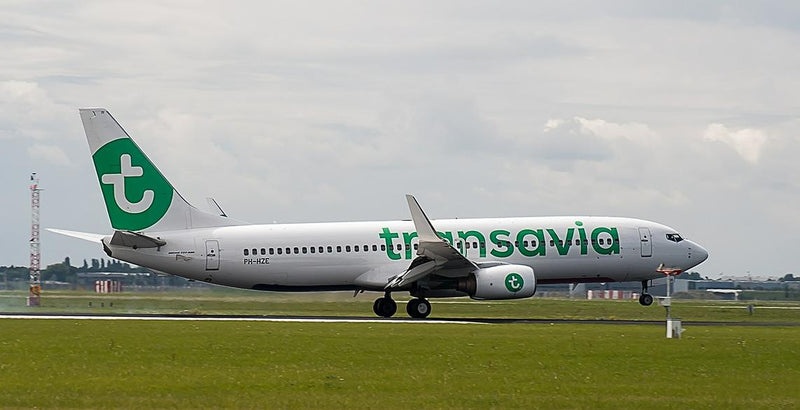
The main difference between Transavia and traditional airlines comes down to flexibility versus inclusivity. Full-service carriers often bundle services like meals, baggage, and seat selection into the ticket price, while Transavia separates them. This allows Transavia to offer lower starting prices, but it also means you need to be more intentional about what you add. For travelers who prefer to customize their experience and only pay for what they use, Transavia can feel like a smarter option. On the other hand, those who value an all-inclusive experience might find the traditional model more convenient.
Who Transavia is really for – and who might want more
Transavia is best suited for practical travelers who prioritize affordability and efficiency over luxury. It works particularly well for short city breaks, spontaneous trips, or budget-conscious holidays. Frequent travelers who are used to low-cost airlines will likely find Transavia familiar and reliable. However, those expecting premium comfort, included services, or long-haul options may find the experience a bit limited. Transavia doesn’t try to be everything to everyone, and that clarity actually works in its favor.
A smarter way to fly when expectations match the price
Transavia delivers exactly what it promises—affordable flights with a clean, efficient experience that gets the job done without unnecessary complications. It’s not about luxury or extras, but about making travel accessible and manageable. For budget-focused travelers, light packers, and those planning short to medium-haul trips, Transavia offers a solid balance between cost and convenience. If you go in expecting simplicity rather than indulgence, Transavia feels less like a compromise and more like a smart travel decision.